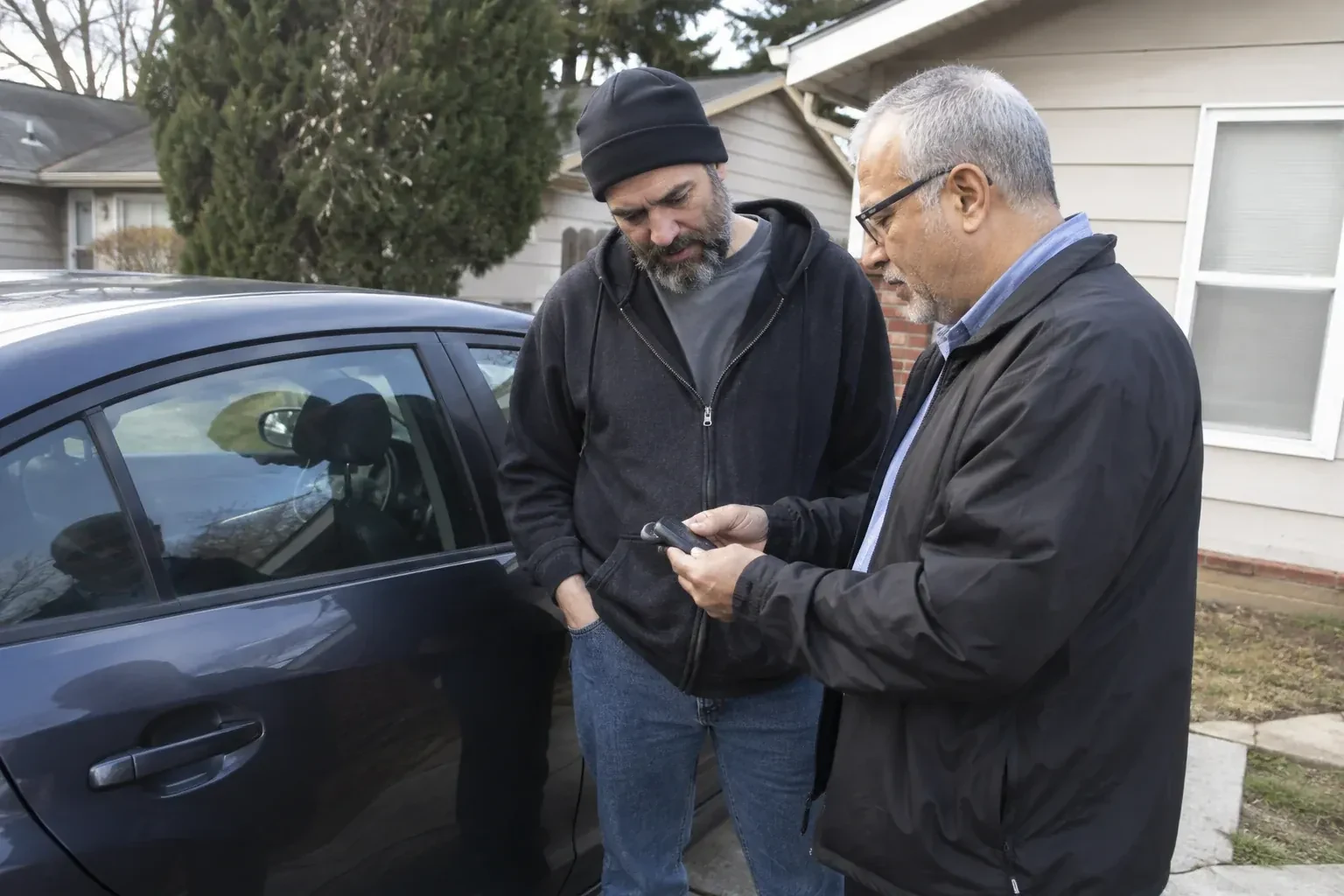
Sound familiar?North Park
- The call
- The key still opens the seat and unlocks the fork, but at the ignition it needs a slow half-turn and a small lift before the switch engages, a habit that has crept in over years of daily starts.
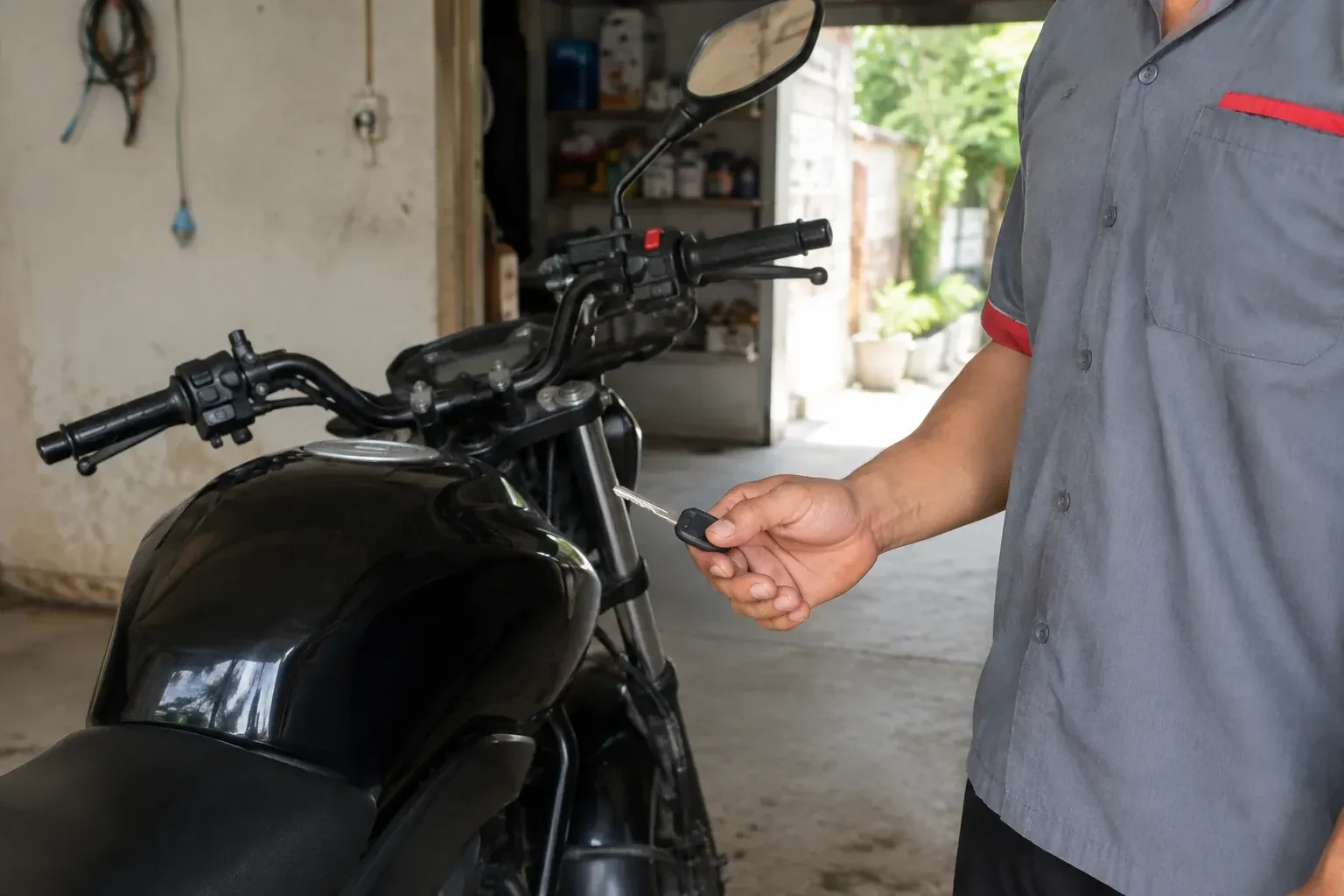
You dig through every jacket pocket and the tank bag twice, but the ignition key that always sits on the same ring is nowhere to be found. The bike sits exactly where you parked it, and nothing in reach will turn that lock.
Newer machines add an electronic layer to a mechanical lock: a chip inside the key carries a coded signal that the ignition module checks before letting the engine run, so a correctly shaped blade that lacks the right chip will turn the switch without starting anything. Producing a working key for one of these machines means pairing a new transponder to the vehicle's electronics where that system supports it, using either an existing key as a reference or equipment built for it, though some systems need a dealer procedure or a code key only the manufacturer issues.
Sound familiar?North Park
Motorcycle & Scooter Keys · North Park
Scene 1
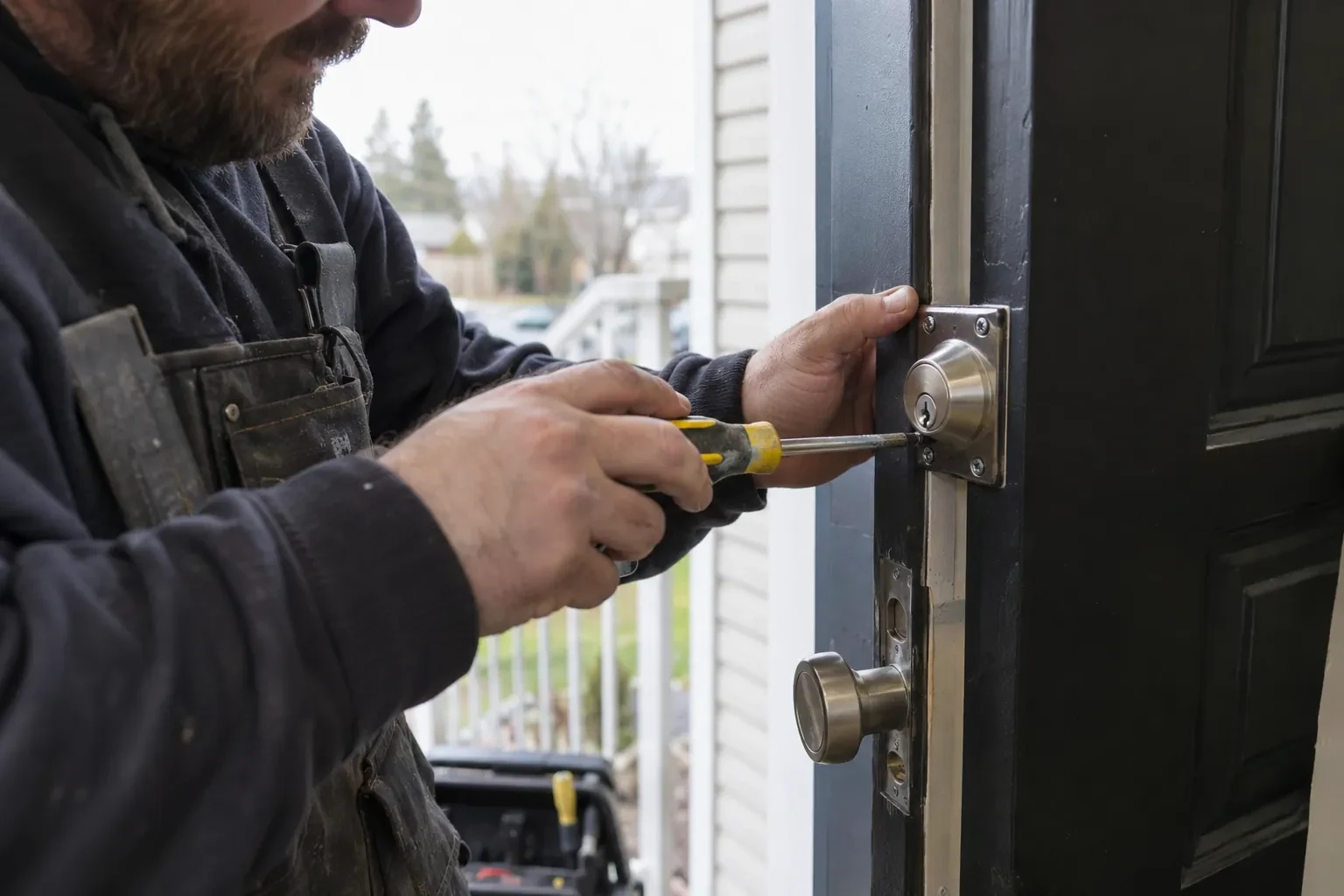
Locks that live outdoors on a machine take on grit, road salt and moisture in a way that an indoor lock never does, and the locksmith checks the lock face and keyway for rust, stiffness and a gritty feel before cutting anything. A lock with corrosion inside the wafers can defeat even a correctly cut key until it is cleaned and lubricated, so this check decides whether the visit stays a straightforward key job or also needs the lock itself serviced before a new key is tested against it.
Scene 2
A machine with an immobiliser needs its electronics satisfied as well as its lock. Using either a remaining working key or programming equipment built for that system, the locksmith teaches the vehicle's module the new transponder's code where that system supports it, though some manufacturers require their own code key and a dealer procedure instead. The mechanical cut and the electronic pairing are separate steps and both have to succeed: a key can be shaped correctly and still fail to start the engine if the chip inside it was never taught to the machine, which is why this step is tested with a full engine start rather than just a turn of the switch.
Scene 3
Heading into a season of outdoor storage, a lock that has just been cleaned and lubricated is in a better position to start the next season the same way it ended this one. A light coat of corrosion inhibitor on an exposed lock face, a cover that keeps direct weather off the ignition and seat area, and keeping the machine somewhere it is not standing in meltwater all help the same mechanism that was just serviced stay free through the months it sits unused. None of this takes long, but it is easy to skip until a stiff lock brings it back to mind.
What shapes the quoteNorth Park Locksmith Co.
FeesSame any hour
Where the key itself holds a battery, such as a fob-style key, a simple battery swap is tried first and is the more common explanation for a dead-seeming key. Where the chip sits in a passive key with no battery of its own, the locksmith checks whether the ignition recognises the chip at all using diagnostic equipment, which distinguishes a genuinely failed or unpaired chip from an unrelated electrical fault elsewhere on the machine.
It is worth acting on rather than living with. A key that needs a lift or a wiggle usually means the wafers inside the lock, or the key itself, have worn slightly out of true, and that wear tends to progress rather than stay the same. A fresh key cut from the original, or a light service of the lock, generally restores a clean turn well before the point where the key stops working altogether.
It starts the same way and adds one step. The broken piece is drawn out with tools made to grip it rather than push it deeper, and the ignition is then checked to see whether the break was a one-off or a sign the lock itself needs attention. A new key is generally cut from the two pieces or by decoding the lock, since a weakened copy could break again in the same spot.
TorontoOntario
Every square is one home in a hundred.
On-site assessment
You dig through every jacket pocket and the tank bag twice, but the ignition key that always sits on the same ring is nowhere to be found.
(289) 536-9733, open 24/7.
On-site assessment preferred · (289) 536-9733, open 24/7