Rule of the job1 of 3
Verifying the caller
We ask for something that ties you to the premises: a lease, business card, or a call to the owner. Opening a shop for the wrong person is not a risk we take.
The neighbourhood locksmith, on your side.
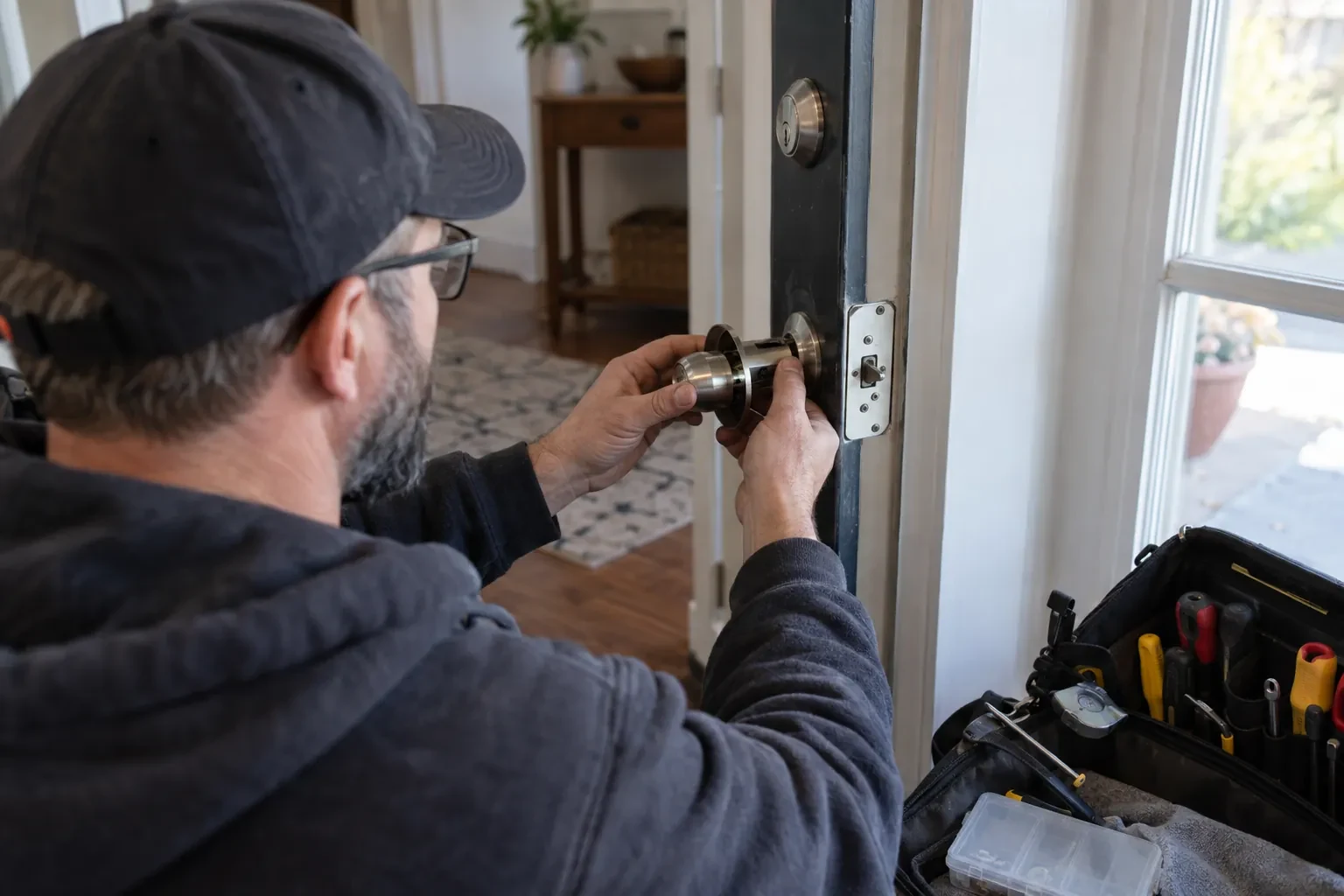
When someone calls locked out, the most useful thing we can offer is calm. The door will open. The keys will be replaced. Nothing about the situation is unusual to us, even if it feels like a disaster to you. We talk you through what will happen, ask you to have some proof that the place or the vehicle is yours ready for when we arrive, and then get on with it without fuss. Once you are inside, we ask whether anything else should be looked at while we are there: a spare key, a rekey if the set is truly lost, a latch that has been sticking. Emergencies are also a chance to prevent the next one.
Nearby Downsview and North Park
The neighbourhood locksmith, on your side.
24 years in business · Let's sort out your door: (289) 536-9733
Rule of the job1 of 3
We ask for something that ties you to the premises: a lease, business card, or a call to the owner. Opening a shop for the wrong person is not a risk we take.
Rule of the job2 of 3
Storefront and office locks vary, so we choose the approach that leaves the hardware intact wherever possible. If the lock itself has failed, we tell you before opening it.
Rule of the job3 of 3
Once inside we check the lock, cut keys if needed and note anything that should be addressed later so your day can carry on.
Five scenes · open 24/7
The right answer for a shop with six staff is different from the right answer for a family of four, and we try not to carry one into the other. Homes generally want fewer keys and simpler routines; businesses want control and a record.
Step 1 of 5
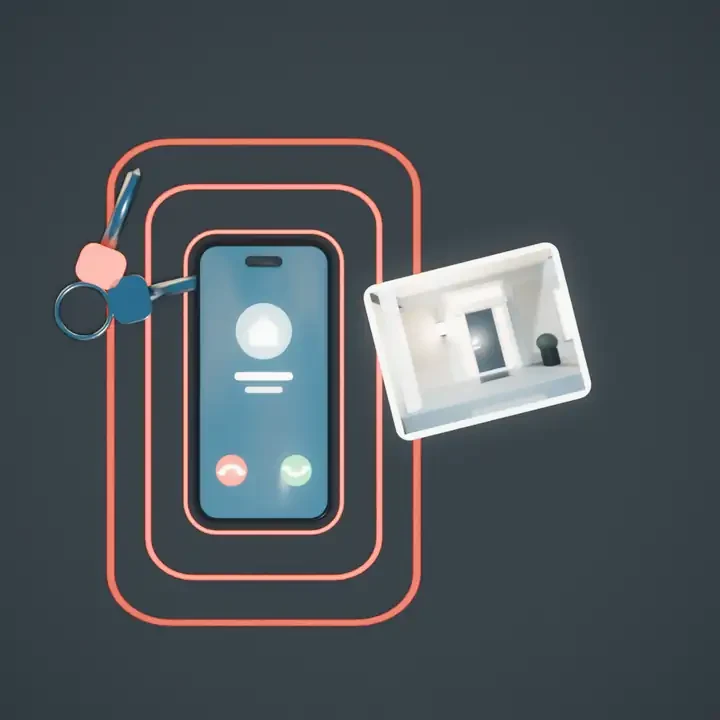
Describe the property, the hardware and what has changed, and the visit starts from what you have seen.
Step 2 of 5
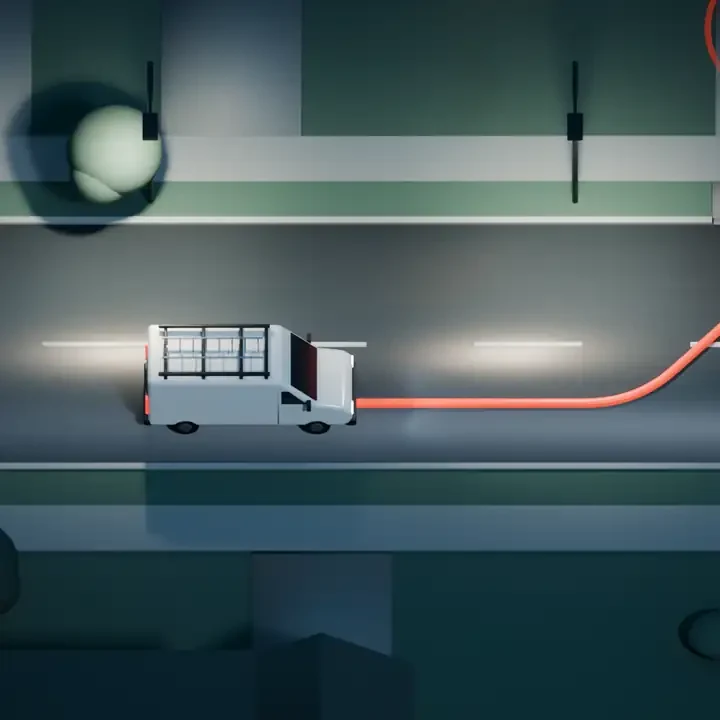
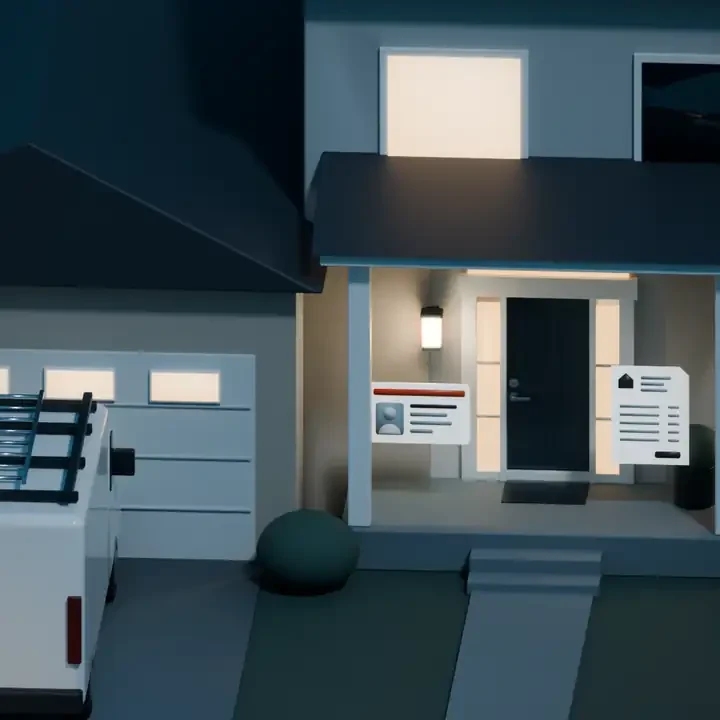
We ask for something that ties you to the premises: a lease, business card, or a call to the owner. Opening a shop for the wrong person is not a risk we take.
Step 3 of 5
What we described on the phone is what we plan to do. If the door tells us something different when we see it, we stop and talk before going further.
Step 4 of 5
Hardware ranges from basic to heavy-duty and simple to electronic. We explain the differences that actually matter for your door and leave the choice with you.
Step 5 of 5
Holes drilled cleanly, hardware aligned, nothing crooked or forced. A lock should look like it belongs on the door, and we take the time to make sure it does.
On-site assessment preferred · (289) 536-9733, open 24/7