Sound familiar?Downsview
- The call
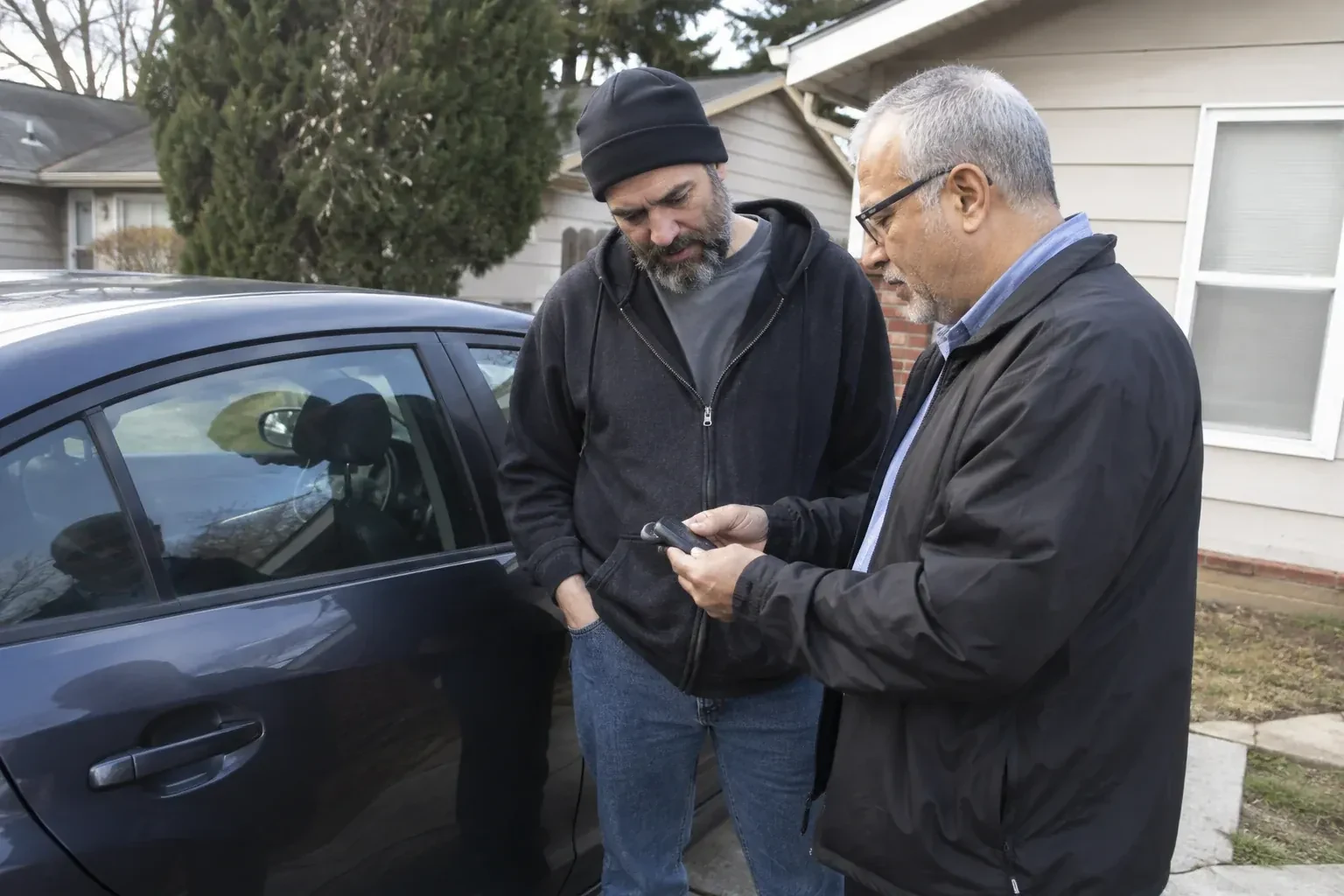
- After fifteen years the blade has worn to a smooth sliver. It needs a jiggle in the ignition most mornings, this week it took three tries, and a copy cut from that same worn key would only carry the wear forward.
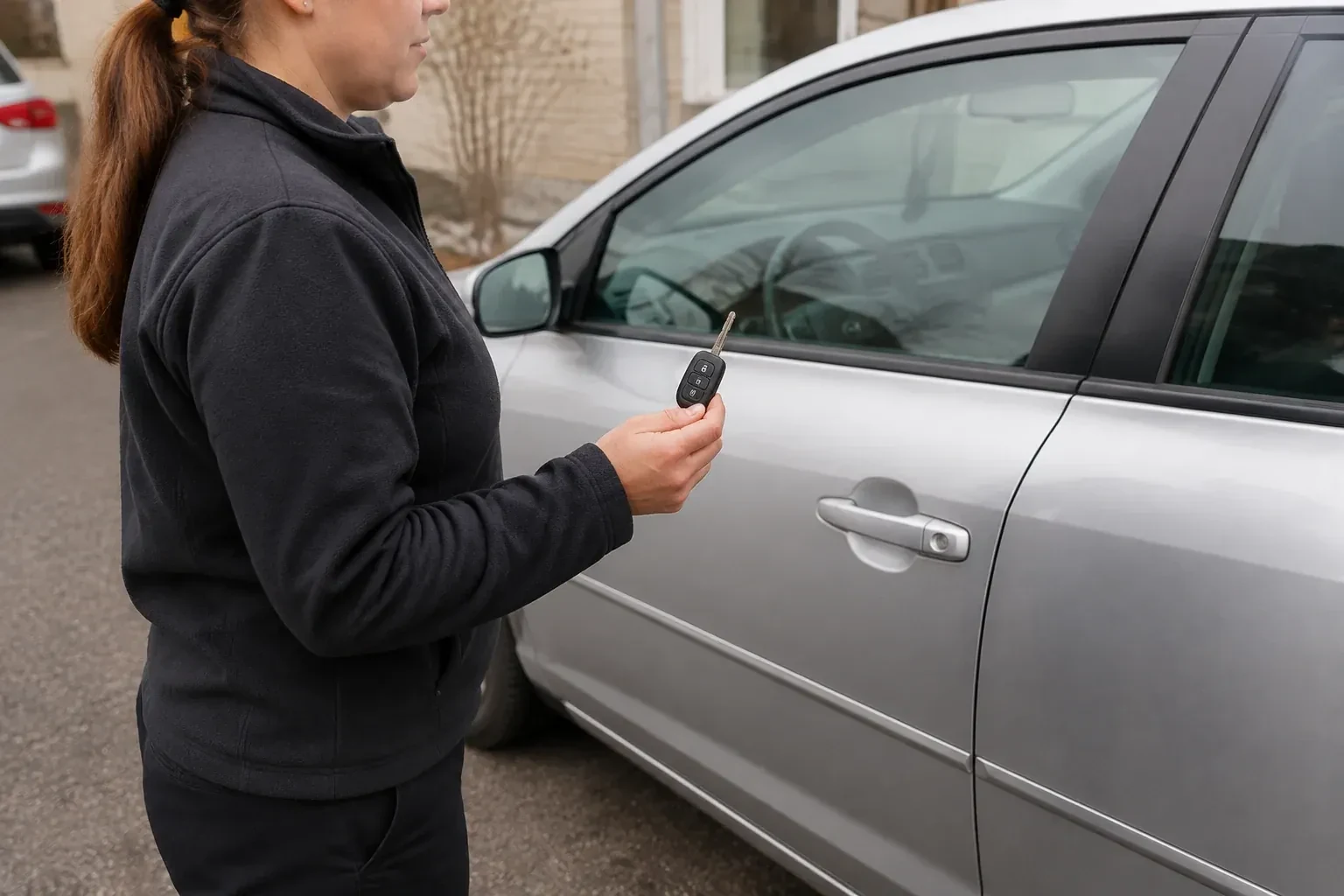
The engine cranks, catches for a second and dies, and a small key-shaped light keeps blinking on the dash. The blade turns the ignition and the doors perfectly well, but the car has stopped recognizing the chip inside the key.
Losing a key is also a security event, and replacement is the moment to close it. The locksmith can erase the missing key from the immobilizer's memory during programming, so a stranger who finds it holds a blade that opens a door and a chip the car no longer answers to; the remote is unpaired the same way. If you would like to go further, every cylinder the old blade operated, doors, ignition and any trunk or fuel-door lock, can be changed so it fits nothing. You leave with new keys that work, old keys that are silent, and a note of how many keys the car now recognizes.
Sound familiar?Downsview
Car Key Replacement · Downsview
Scene 1
Programming writes to the vehicle's computers, so the locksmith checks the basics of the car before starting. A weak battery from a car that has sat locked for weeks is put on a maintainer so the voltage stays steady through the session. The diagnostic port under the dash has to be reachable, which means the car has to be opened first if every key is gone. Where the car is parked matters as well: an underground garage with poor light, a tight street spot or a snowbank against the driver's door all shape how the work is set up. A few questions on the phone cover most of this.
Scene 2
When nothing remains, the sequence changes. The car is opened, the blade is produced from the lock or the code, and then, where the system supports it, the immobilizer memory is reset so every stored key is erased; others follow their own maker-specific route instead. New keys are then registered one after another, and registering two gives the car a spare from day one. On some vehicles this stage needs a longer security timer or manufacturer data, which is arranged in advance. The old keys, wherever they are, are now unknown to the car. Each new key is then started and driven a short distance to confirm the reset held.
Scene 3
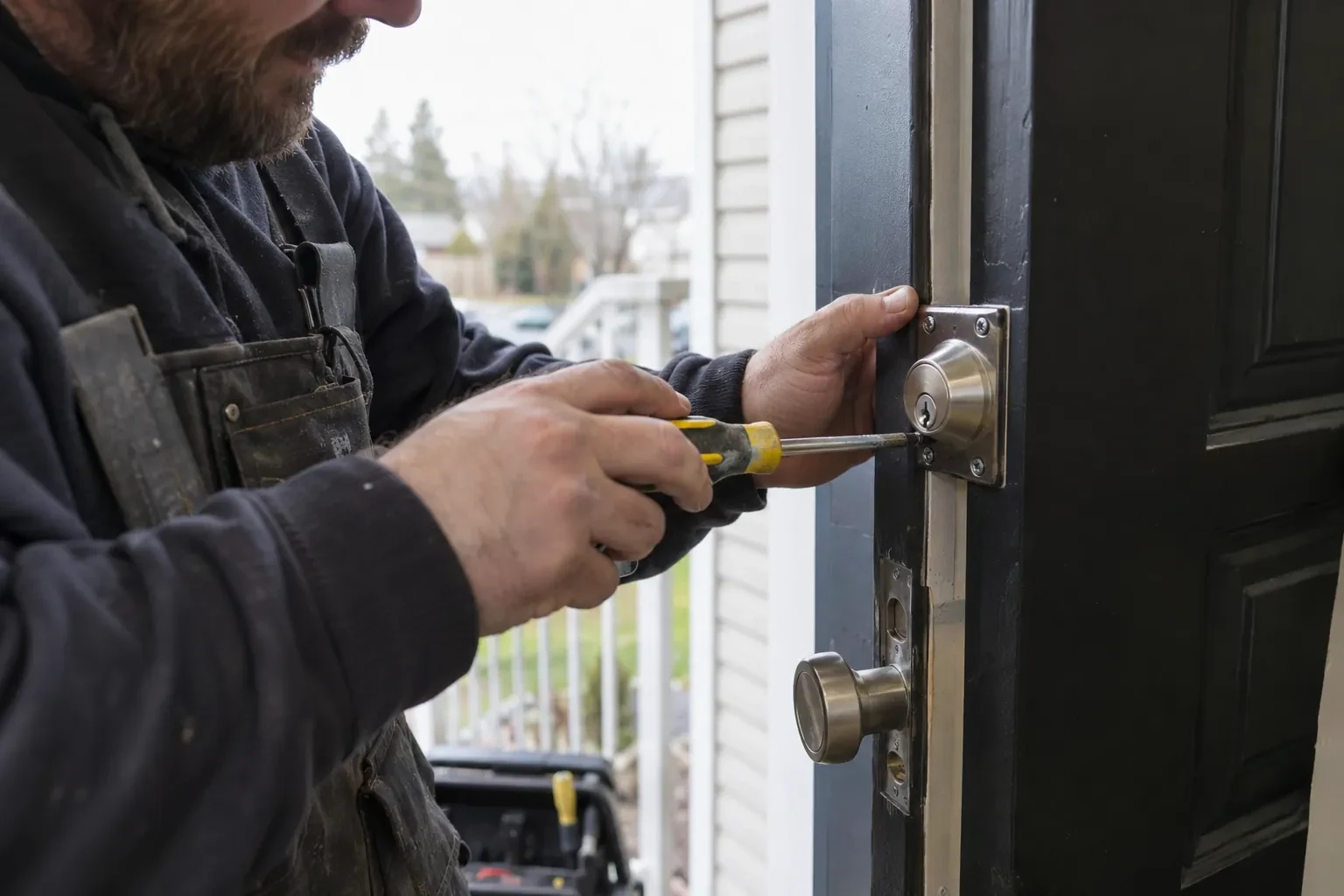
A blade cut to code is made to the lock's original dimensions, so it should turn smoothly from the first use. What it should never do is need the wiggle the old key needed; if it does, or it feels stiff or forced, that points to worn ignition wafers or a cutting issue, and the cylinder is checked and serviced or rebuilt rather than waited out. Keep the new key on a light ring, since a heavy bunch hanging from the ignition is what wears the wafers in the first place.
What shapes the quoteNorth Park Locksmith Co.
FeesSame any hour
Often, yes, for vehicles with a supported conventional key system: the car is opened, a blade is produced by decoding the door lock or retrieving the factory key code, and the immobilizer is reset so the missing keys are erased before new ones are stored. A key-card or phone-key vehicle, or one needing a dealer procedure, follows its own route instead, which is why the VIN is asked for on the first call.
Adding a spare uses an existing working key as the reference: the new blade is cut and checked against it, and the immobilizer is asked to accept one more key alongside the old. Replacing all keys starts with nothing: the lock is decoded for a blade, and the immobilizer is reset to forget every previous key before new ones are stored. The second job is longer and sometimes needs manufacturer data, one more reason to keep a spare.
Adding a key leaves the existing keys in place; the car simply learns one more. The exception is a deliberate all-keys-lost reset or an erase you ask for, which clears every stored key and then registers only the ones you present. For that reason the locksmith asks you to bring every key you own to the visit, so each one can be re-registered and tested rather than left behind and forgotten by the car.
TorontoOntario
Car Key Replacement · Toronto, North Park
Every square is one home in a hundred.
On-site assessment
The engine cranks, catches for a second and dies, and a small key-shaped light keeps blinking on the dash.
(289) 536-9733, open 24/7.
On-site assessment preferred · (289) 536-9733, open 24/7